

If you’re a coin collector, you know there’s a fine line between a shiny coin and one that’s been permanently ruined. Cleaning a coin may seem like a simple task, but the stakes are high. Do it wrong, and you could lower its value. Experts warn that improper techniques can dramatically reduce a coin’s value, sometimes by as much as 50% or more.
Coins are delicate, and improper handling or cleaning can cause irreversible damage, turning a prized possession or rare find into a worthless trinket. Here are 15 essential tips to safely clean your coin collection without ruining its value.
Only Clean When Absolutely Necessary

Cleaning coins should be a last resort. Most collectors and dealers prefer coins with natural patina or toning, which adds to their character and authenticity.
Removing this natural layer can make coins less appealing and even raise suspicions about their originality among experts. Always assess if the dirt truly needs removal or if the coin is better left untouched. In most cases, gentle dusting or professional conservation is safer than any attempt at cleaning.
Know the Coin’s Value First

Before attempting any cleaning, research the coin’s rarity and market value to avoid costly mistakes. High-value or rare coins are especially sensitive to cleaning, as even minor surface changes can result in a significant drop in worth.
Professional grading services often mark cleaned coins as “Improperly Cleaned,” which can lower their value. Consult price guides, auction results, or a reputable dealer to determine if cleaning is advisable. Understanding what’s at stake helps you make an informed decision and protect your investment.
Handle Coins by the Edges

Always handle coins by their edges to prevent fingerprints, oils, and dirt from transferring onto the surfaces. Even clean hands can leave residues that cause tarnishing or corrosion over time. Edge handling minimizes the risk of accidental scratches or smudges, especially on proof or uncirculated coins.
Use a soft, lint-free cloth or a coin holder to further reduce contact. Careful handling preserves the coin’s original appearance and value for years to come.
Wear Gloves When Handling Valuable Coins
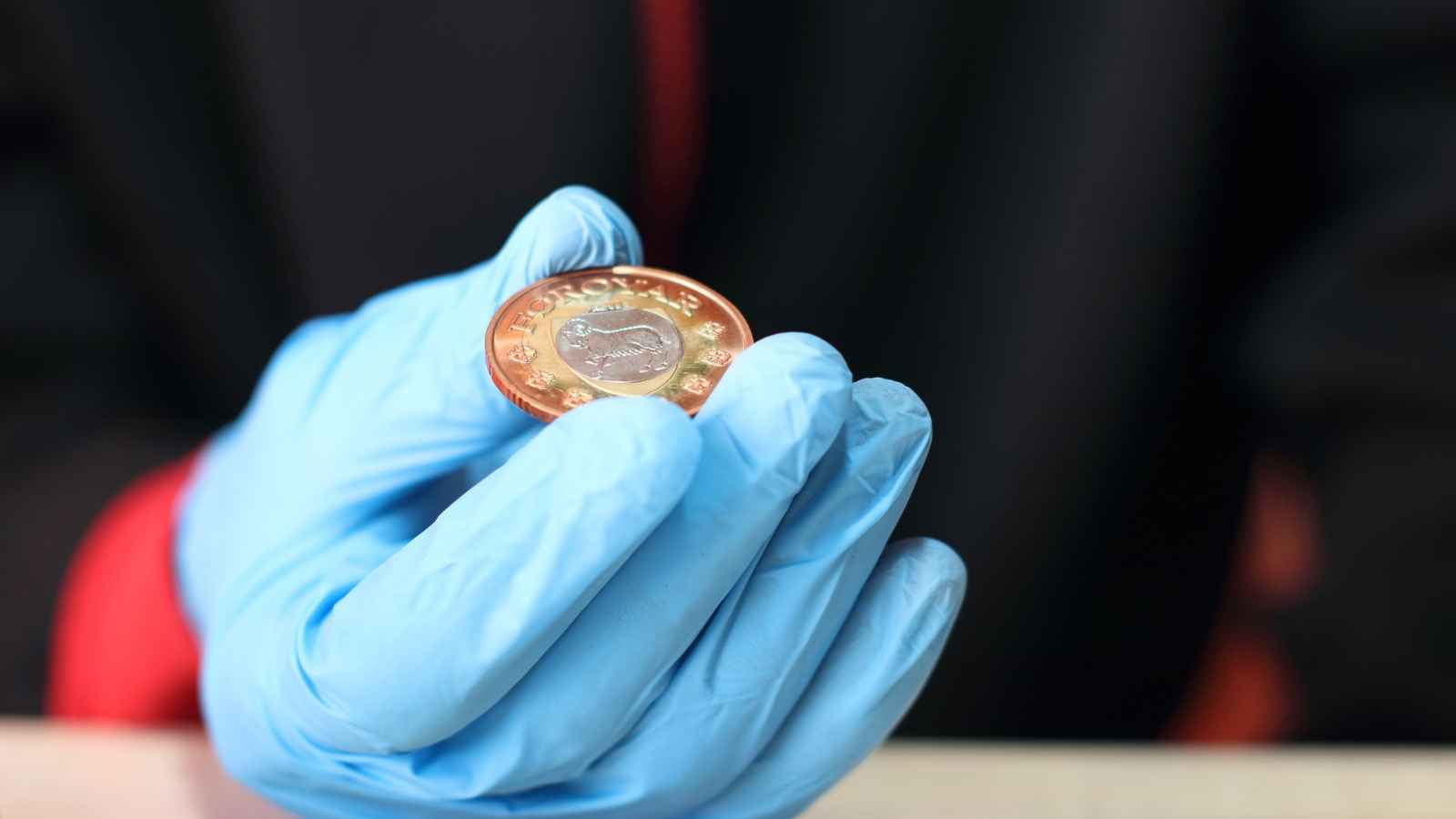
Wearing cotton or nitrile gloves adds an extra layer of protection when handling valuable or high-grade coins. Provident Metals states, “Always handle your coins by the edges, never by the face. Dirt and oils from your hand will tarnish the coin’s surface.” Even clean hands can transfer contaminants that cause permanent marks or corrosion, so wearing cotton or nitrile gloves is recommended for high-value coins.
Gloves ensure that your coins remain free from contaminants during examination or cleaning. Always use clean gloves and avoid touching your face or other surfaces before handling coins. This simple habit is standard practice among professional numismatists.
Use Distilled Water, Not Tap

Distilled water is the safest choice for rinsing or soaking coins, as it lacks minerals and chemicals found in tap water that can leave spots or cause corrosion. Tap water often contains chlorine, calcium, and other impurities that may react with coin metals, especially over time.
Soaking coins in distilled water gently loosens dirt without introducing harmful residues. Many collectors recommend an initial 24-hour soak to see if surface grime lifts naturally. Using distilled water helps maintain the coin’s original luster and prevents unwanted chemical reactions.
Soak Don’t Scrub
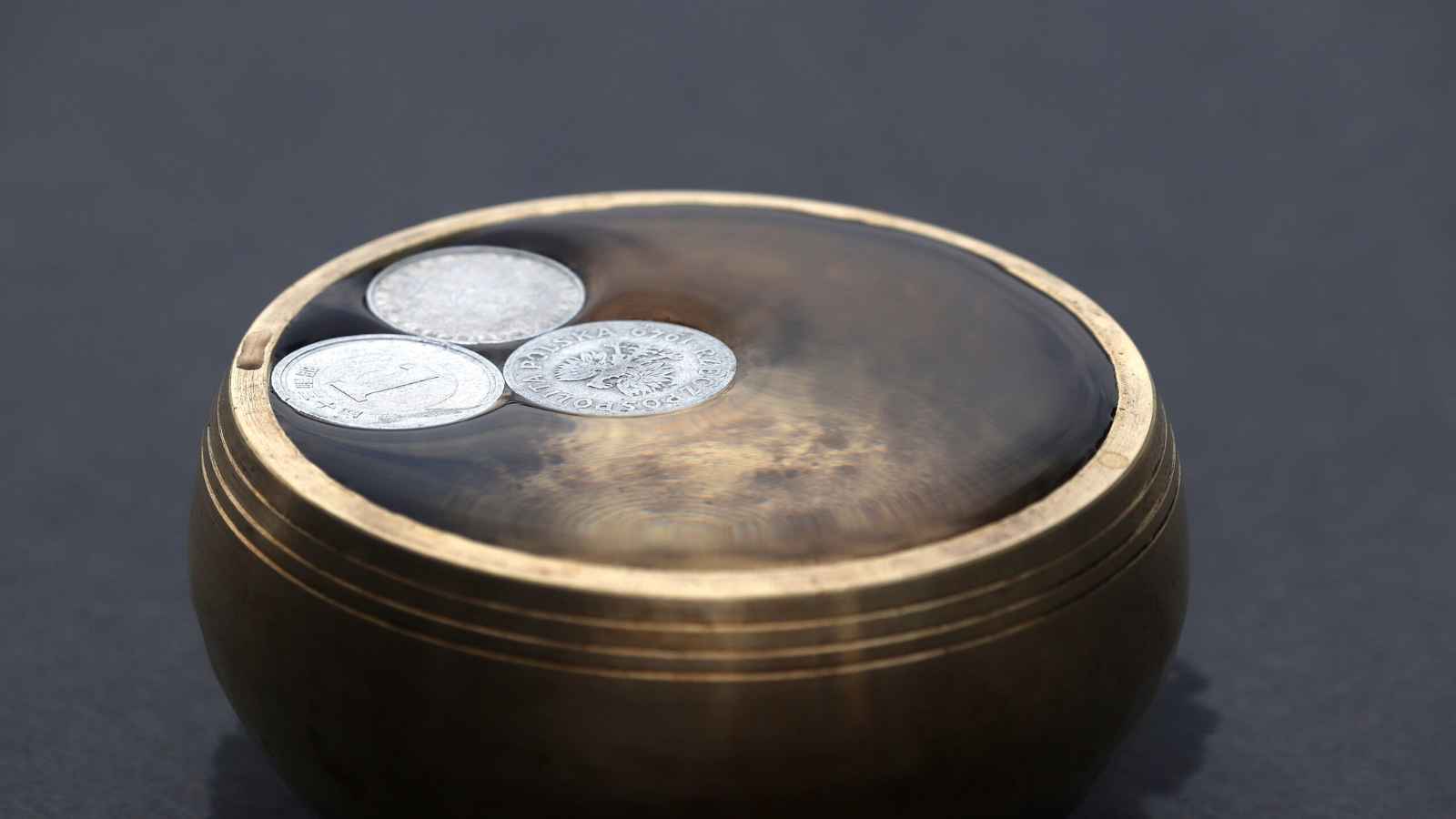
Soaking coins in distilled water or a mild soap solution can remove dirt without the abrasion risk of scrubbing. Scrubbing—even with a soft cloth—can create tiny scratches known as hairlines, which are easily spotted under magnification and can drastically reduce a coin’s grade.
Allow coins to soak for several hours or overnight, then gently rinse and pat dry. This method is especially effective for common coins or those with surface dirt. Patience pays off by preserving the coin’s delicate surfaces.
Try Olive Oil for Tough Grime
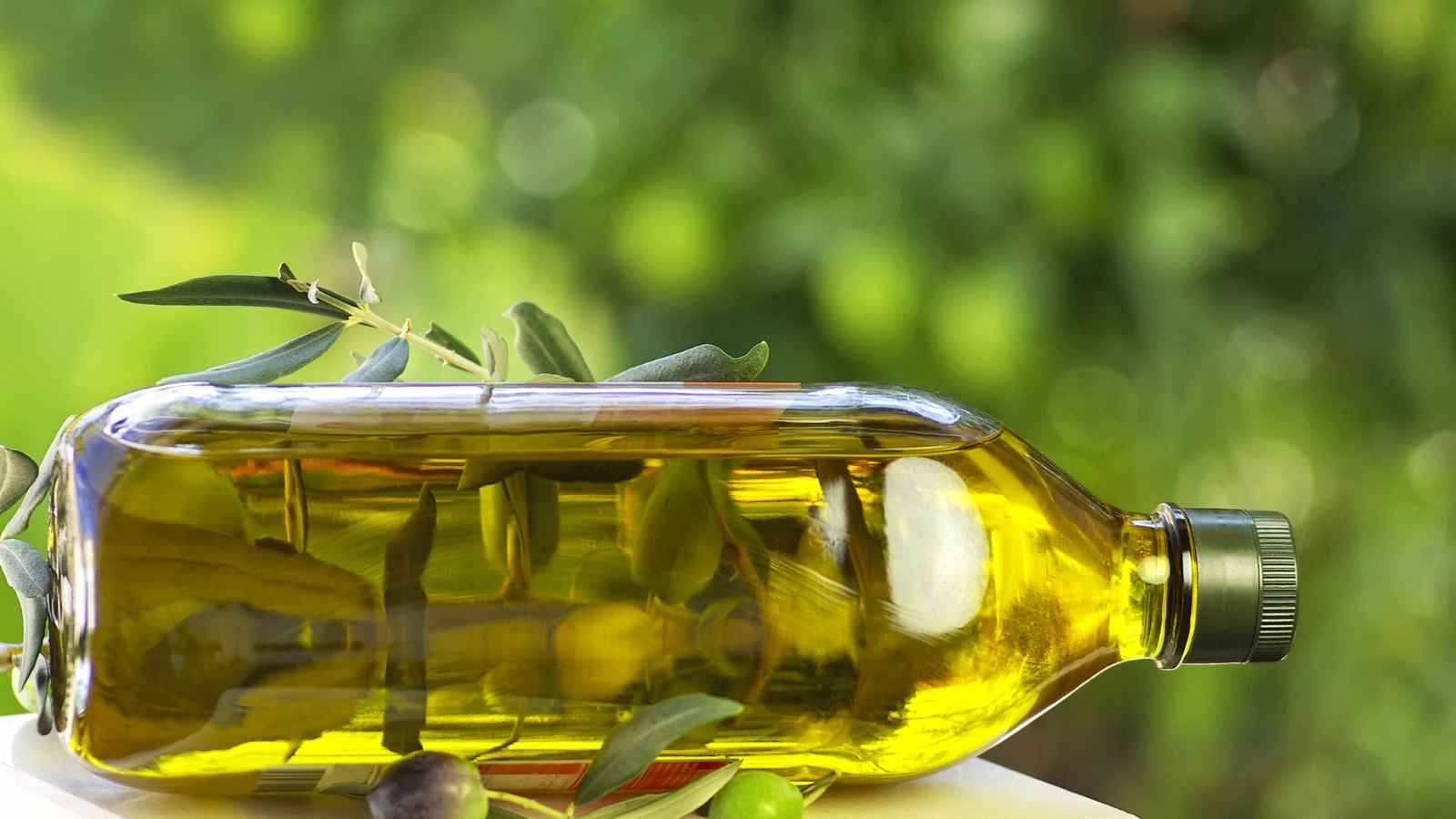
Olive oil is a time-tested, gentle method for loosening stubborn dirt or encrustations, particularly on copper or bronze coins. Soak the coin in olive oil for several days or even weeks, changing the oil if it becomes discolored.
After soaking, use distilled water and a soft brush to remove loosened debris. This slow process is less likely to harm the coin’s surface compared to harsh chemicals or abrasives. Collectors have reported impressive results with patience and repeated soaks.
Use a Soft Natural-Bristle Brush
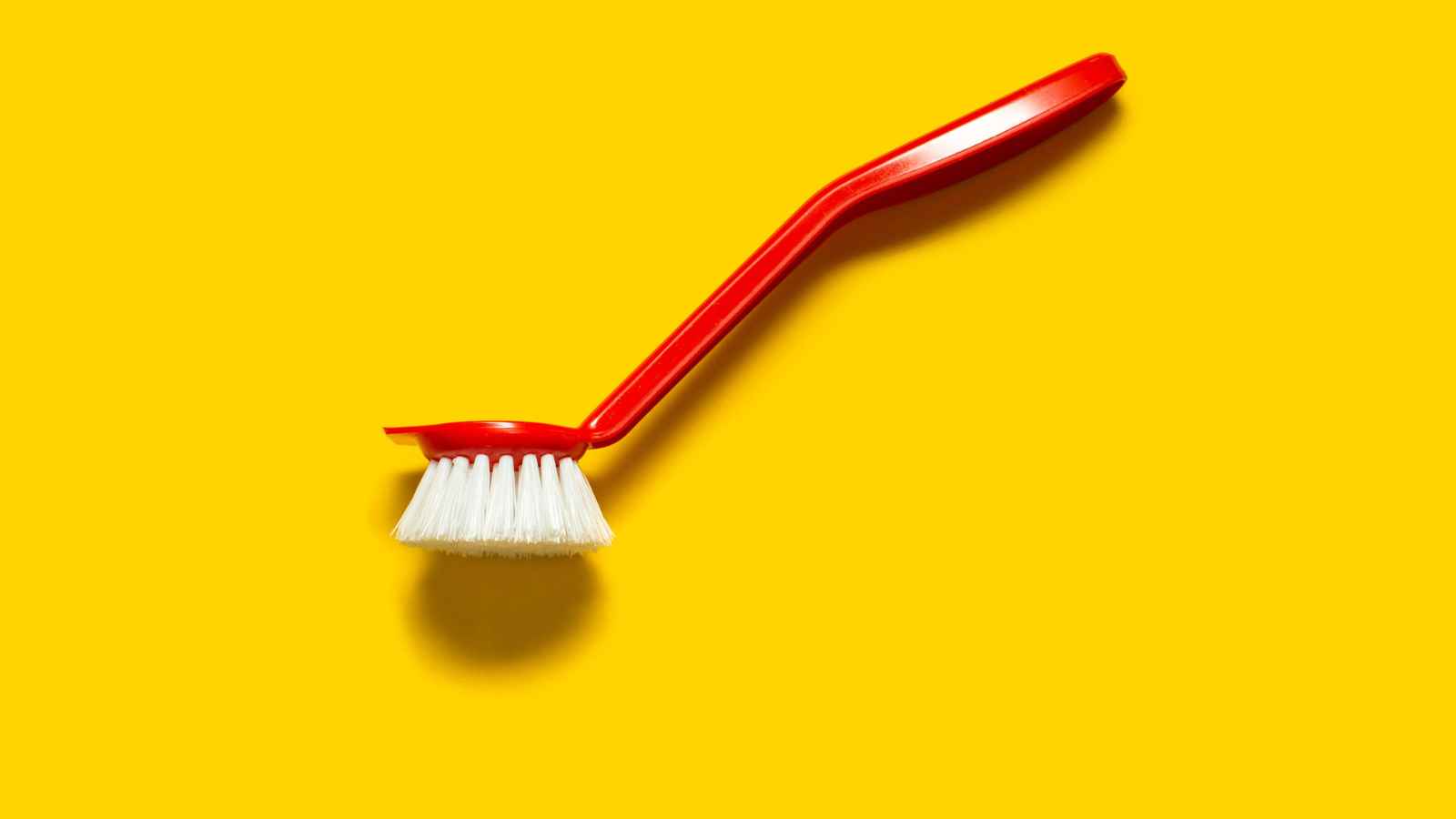
A soft, natural-bristle brush, such as a camel-hair or squirrel-hair brush, is ideal for gently removing dust and loose particles from coins. Avoid using toothbrushes or synthetic bristles, which can still scratch delicate surfaces.
Light brushing is safe for most common coins but should be avoided on rare or high-value pieces unless absolutely necessary. Always brush lightly and in a single direction to minimize risk. This tool is a staple in every careful collector’s cleaning kit.
Stay Away from Abrasives
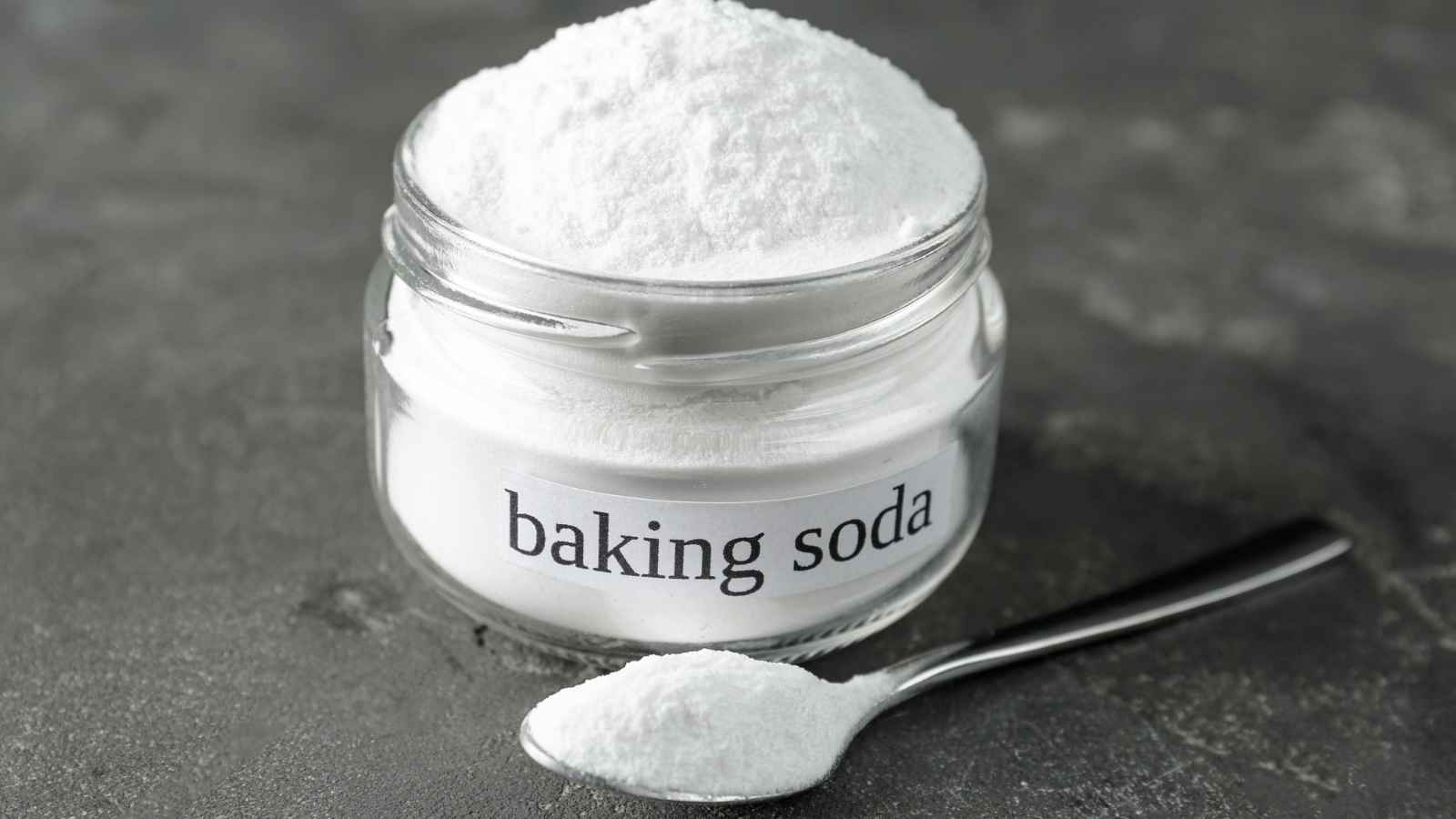
Abrasive materials—including baking soda, scouring powders, and even pencil erasers—can leave permanent scratches and ruin a coin’s finish. Even a single cleaning with an abrasive can reduce a coin’s value by up to 90%. CoinWeek adds, “Abrasive cleaning will always remove some part of the coin’s metal, regardless if you can see it or not. This is a cold fact.” Even mild abrasives can dull the luster and reduce both aesthetic and market value
Avoid metal polishes, commercial cleaners, or any product marketed for “shining” coins. Hairline scratches are easily detected by graders and can lead to a “damaged” or “improperly cleaned” label. Always choose the gentlest methods possible to preserve your collection’s worth.
Never Use Vinegar or Lemon Juice

Vinegar and lemon juice are acidic and can react with coin metals, stripping away natural patina and causing irreversible damage. Although some online sources suggest these household acids, experts warn that they can leave coins looking unnaturally bright and lower their value.
Even brief exposure can etch the surface, especially on copper or silver coins. Professional conservators strongly advise against using any acid-based cleaner on collectible coins. Protect your collection by avoiding these risky shortcuts.
Use Acetone for Organic Stains

Pure acetone (not nail polish remover) can safely remove organic stains, such as tape residue or glue, without reacting with most coin metals. Always use acetone in a well-ventilated area and avoid prolonged soaking. “100% acetone will not harm the surface of the coin in the least bit, regardless of what the coin is made of. It will only remove organic deposits on the surface of the coin,” notes a top-voted Reddit user.
Rinse coins thoroughly with distilled water after treatment to remove any chemical traces. Acetone is best reserved for stubborn residues that do not respond to water or olive oil. Consulting a professional before using acetone is wise, especially on valuable coins.
Dry Coins Gently—Don’t Rub
After cleaning, pat coins dry with a soft, lint-free cloth instead of rubbing, which can scratch the surface. Air drying on a clean towel is also a safe option, especially for delicate or high-value coins. The United States Mint advises using mild soap and water to clean a coin, then patting it dry with a soft towel.
Avoid using paper towels or rough fabrics, as these can leave marks or lint. Proper drying prevents water spots and preserves the coin’s original finish. Gentle handling at every stage is key to maintaining value.
Avoid Ultrasonic Cleaners
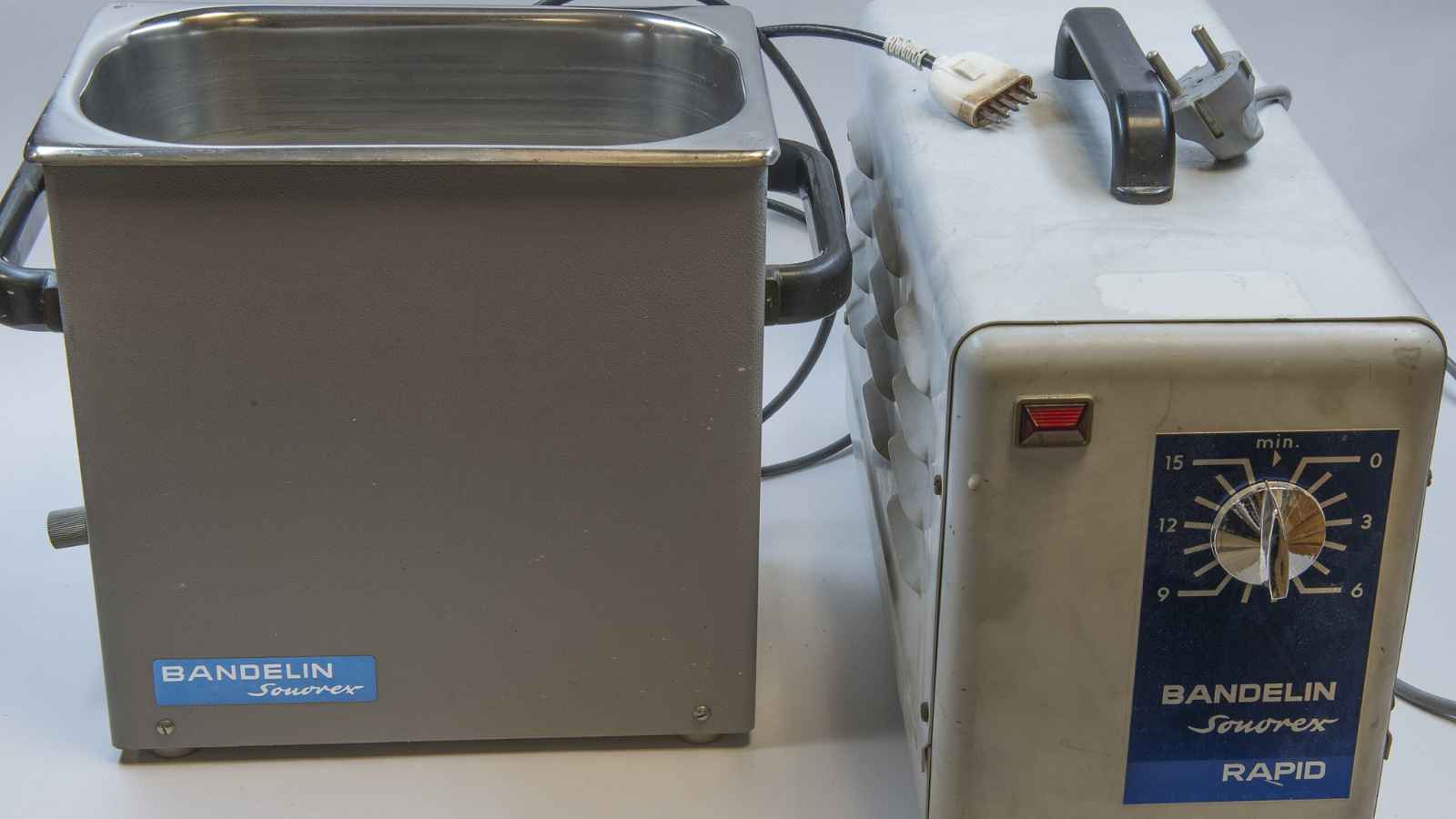
Ultrasonic cleaners use vibrations to dislodge dirt but can cause micro-abrasions or even loosen coin details, especially on older or softer metals. Acid-based solutions used in some ultrasonic machines can eat away at the coin’s surface, diminishing both appearance and value. Reddit users also warn that cleaning coins ultrasonically with materials like foam or rubber can cause micro-abrasions and lower their numismatic value.
Professional graders often detect ultrasonic cleaning and may assign a lower grade or “cleaned” designation. For most collectors, the risks outweigh the benefits. Stick to manual, gentle methods for safe results.
Store Properly After Cleaning
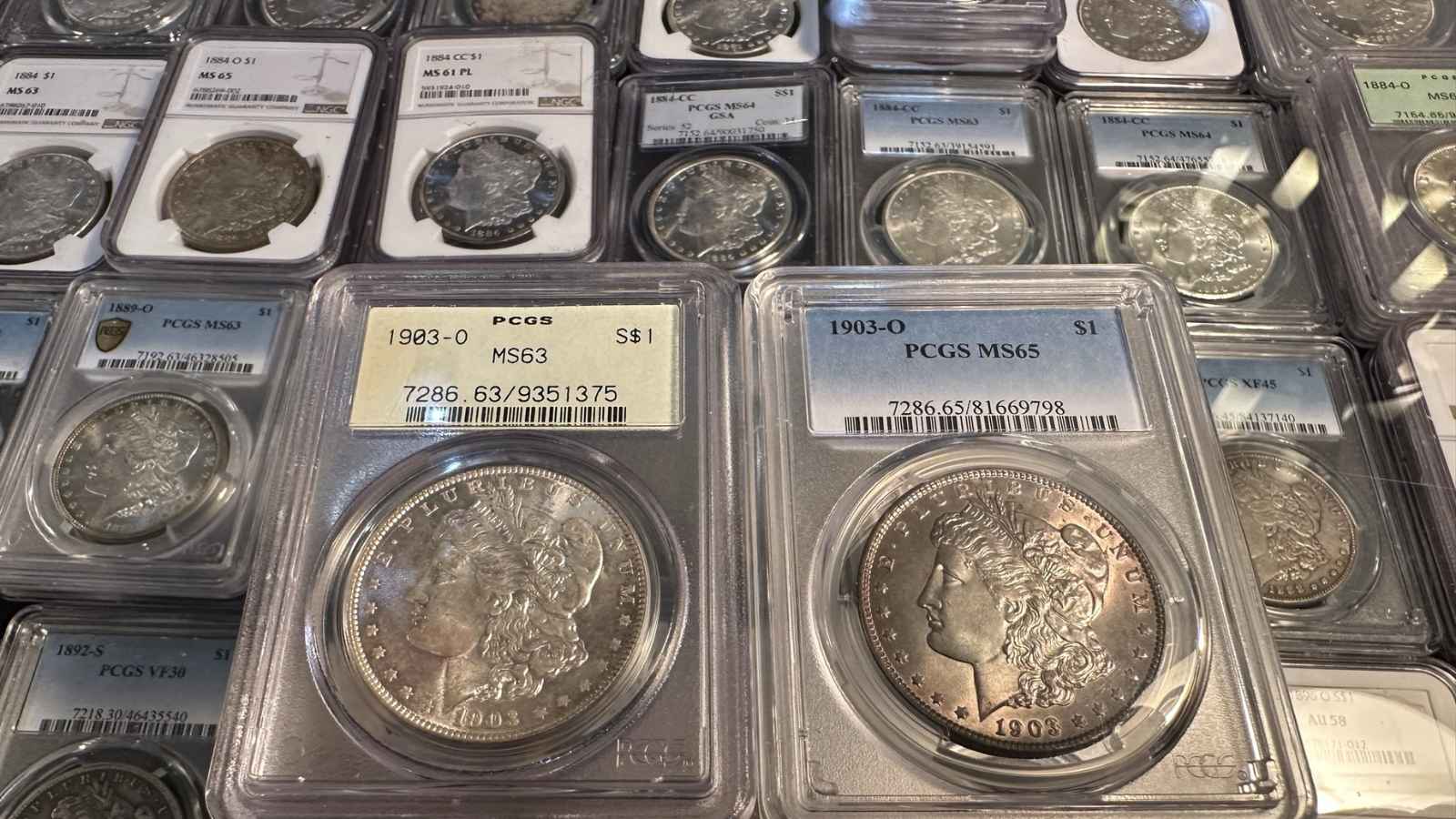
Proper storage after cleaning is essential to prevent future tarnish, corrosion, or accidental damage. Use acid-free holders, coin flips, or capsules to keep coins safe from air, moisture, and handling. Preservation Equipment notes that envelopes and pockets protect coins from dust and scratches during handling and storage. Coin capsules offer airtight protection for rare or valuable pieces.
Store your collection in a cool, dry place away from direct sunlight and temperature fluctuations. Regularly check for signs of new tarnish or environmental damage. Thoughtful storage extends the life and beauty of your coins for generations.
Consult a Professional
Consulting a professional conservator or numismatist is the safest route for cleaning rare or valuable coins. Experts have specialized tools and knowledge to clean coins without harming their surfaces or reducing their value.
Professional intervention is especially important for coins with historical significance or high market value. Many grading services will note if a coin has been improperly cleaned, which can drastically affect the resale price. When in doubt, seek expert advice before attempting any cleaning.
Disclaimer – The Finance Key does not provide and does not intend to provide financial, investment, tax, or legal advice. Information contained in this article is for informational and educational purposes only. This list is solely the author’s opinion based on research and publicly available information. The inclusion of links to third-party content is not an endorsement by The Finance Key of such content or services. Please do your due diligence and use your discretion.
Read More:


