

Being minimalistic involves more than reducing one’s possessions; it also involves making decisions that benefit the environment. Living a simpler lifestyle will help the environment by lowering waste and preserving resources.
According to the Environmental Protection Agency, Americans alone generate about 292.4 million tons of trash annually, much of which can be reduced by mindful consumption. Simplifying your life by choosing sustainable alternatives can significantly cut down your personal waste production.
Duplicate Items

One of the first things to get rid of on your journey to a minimalist lifestyle is any duplicate items you may own. For example, having multiple sets of kitchen utensils or several similar pairs of shoes can be unnecessary and take up valuable space in your home.
Consider keeping only one set or pair you use regularly and donating or selling the rest.
Single Purpose Kitchen Gadgets

Kitchen gadgets that gather dust are not only space hogs but also drain resources during production. Focus on multi-functional tools like a chef’s knife or sturdy cast-iron pan. These essentials provide versatility, enabling you to prepare meals without cluttering your kitchen.
Physical Media

Physical media, such as DVDs and CDs, often become obsolete with the rise of digital streaming services. Instead of holding onto a large collection of physical media that takes up space, consider embracing digital options for entertainment.
Hires Audio reports that CD sales now represent only 7% of music revenues, down from a high of 43% in 2012, while U.S. DVD sales declined by 86% between 2006 and 2019, as reported by BBC. It’s safe to say that physical media is on its way out, so ditching it now will save you space and money in the long run.
Fast Fashion

The fast fashion industry has a significant impact on the environment, from the production of cheap, low-quality clothing to the disposal of unwanted items. To minimize your environmental footprint, opt for quality pieces that will last longer and support sustainable fashion brands that use eco-friendly materials and ethical labor practices.
Numerous Cleaning Products

Our cleaning cabinets are often filled with various bottles and sprays for different purposes, but the truth is that most of these products can be replaced by simple, natural solutions. For example, vinegar and water can effectively clean surfaces and windows, while baking soda is great for scrubbing tough stains, as per Healthline.
Souvenirs and Sentimental Items

It’s natural to want to hold onto mementos from special trips or sentimental items from loved ones. Nevertheless, these souvenirs often collect dust and occupy our homes. Consider taking photos of these items instead, allowing you to keep the memories without adding clutter.
Impulse Purchases

Impulse purchases are a significant contributor to clutter and waste. According to USA Today, 88% of Americans admit to spontaneous purchases just because the items were cheaper, even though they didn’t need them.
Before purchasing, ask yourself if you need the item or if it will add value to your life. Thinking mindfully about what we bring into our homes can significantly reduce clutter.
Typical Gifts

Gift-giving is a wonderful way to show appreciation and love for others, but often, these gifts add clutter to the recipient’s collection.
Instead of giving physical items, minimalists focus on consumable items or experiences they think the recipient would enjoy.
Excessive Paper Towels

Based on data from the U.S. Census Bureau and Simmons National Consumer Survey(NHCS), Statista reports that 321.87 million Americans used paper towels in 2020, most of which ended up in landfills.
Replacing paper towels with washable cloths can significantly reduce this waste. Cloth towels last longer and save money and trees over time. Make the swap for a sustainable and cost-effective cleaning routine.
One-time Use and Disposable Items

Single-use and disposable items, such as plastic utensils, water bottles, and straws, contribute to the growing waste problem in our world. Opting for reusable alternatives can significantly reduce your contribution to this issue.
Consider investing in a quality set of silverware or a stainless steel water bottle that will last you a long time.
Old Magazines and Newspapers
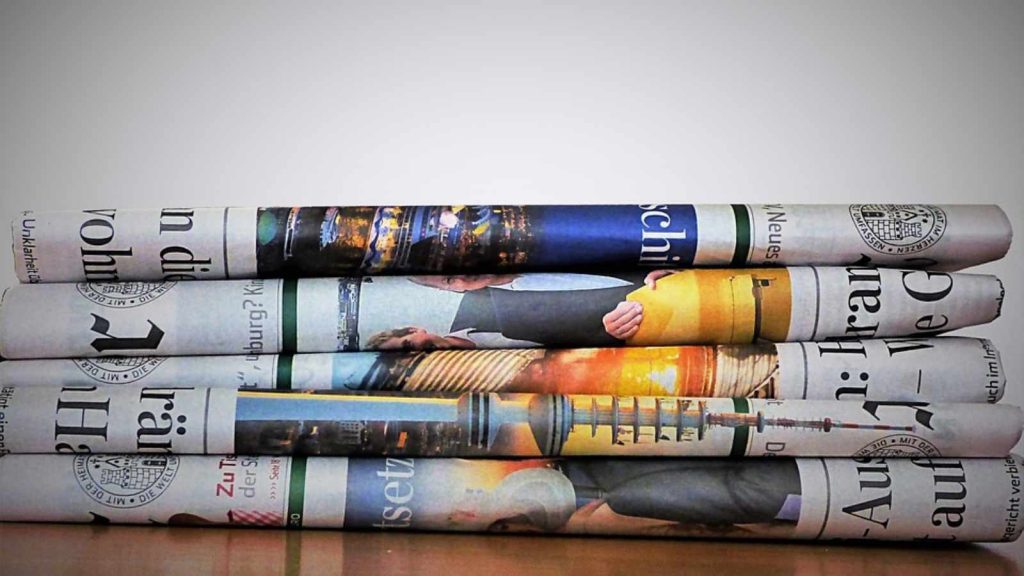
Pew Research states that the circulation of U.S. Daily Newspapers in print and digital media was 20.9 million in 2022. However, the print media accumulates quickly and adds unnecessary clutter to your home.
Transition to digital subscriptions to keep informed without the paper waste. Digital formats offer the convenience of accessing information anywhere while preserving valuable resources. Recycle any old paper items you no longer need.
Excessive Furniture and Decorations

Too many furniture pieces or decorations can make a space cluttered and overwhelming. Minimalists often focus on quality over quantity, opting for well-made, timeless pieces that add value to their homes.
For example, a simple flower vase could stand in the place of numerous pictures and wall hangings.
Jewelry and Accessories

Jewelry and accessories are often impulse purchases or gifts that we rarely wear. These items can add unnecessary clutter to our homes. Jewelry and accessories should be about functionality and how often they are utilized.
For instance, earrings and a watch are regularly used. A summer hat and a bag could do the trick in summer, while a woolen hat and a scarf are essentials in winter.
Storage Containers

Storage containers may seem like a great way to organize and store our belongings, but they often lead to hoarding. Minimalists often focus on thoroughly decluttering before organizing. They tend to work with what they have first, and if a specialty container is warranted, they will purchase it, but it’s with planning and intention.
Minimalists prefer having fewer items to manage and, therefore, don’t feel the need for more storage space.
Unnecessary Beauty Treatments and Cosmetics

According to Statista, the U.S. generates the highest revenue globally in the cosmetics market, with a revenue of $20.13 billion in 2024, which results in $58.88 per person revenue when considering the total population figures. The beauty industry promotes the idea of always needing the latest trend or product, leading to excessive purchases and cluttered collections.
Minimalists focus on finding a few high-quality products that work for them, reducing waste and saving money in the long run. Additionally, minimalists often embrace their natural appearance and prioritize self-care rather than chasing unattainable beauty standards.
Disclaimer – This list is solely the author’s opinion based on research and publicly available information.
7 Money Rules The Rich Don’t Want You To Know

7 Money Rules The Rich Don’t Want You To Know
31 Forgotten Household Items from the Past

The blueprint of the quintessential American home has undeniably evolved over the decades. Whether you attribute it to technological leaps or the shifting sands of aesthetic tastes, the fact remains: items once deemed household staples have now drifted into obscurity.
31 Forgotten Household Items from the Past
15 Common Mistakes That Unknowingly Make Your Home Look Bad

A home should be a sanctuary, reflecting personal style and comfort. However, minor oversights and everyday habits can inadvertently detract from its appeal. Understanding these common mistakes is crucial for maintaining an inviting and well-kept home.
15 Common Mistakes That Unknowingly Make Your Home Look Bad


