

Financial stability has a lot to do with money habits. A lot of financial troubles can be traced back to making spending decisions that provide short-term satisfaction, yet no long-term security. Infact, a Pew Research Center survey found that the wealth gap between America’s richest and poorest families more than doubled between 1989 and 2016.
Not everyone in poverty is wasteful, but systemic factors too kick in — there are purchasing patterns that have a tendency to keep people’s poverty trap firmly lodged. Here are 15 expenses that suck up the resources and why middle and upper-class people avoid them.
Fast Fashion

Affordability and trendiness are fast fashion’s appeal, but that comes as poor quality pieces that must be replaced often. These are higher costs when you look at the long term.
Worthwhile and higher-quality pieces that last for years are generally what wealthier people invest in. Choosing timeless, long-lasting clothes can save money and the environment.
Impulse Purchases

Impulse purchases give us short-lived emotional satisfaction that, unfortunately, often leads to financial regret. Small, unplanned expenses can really add up when you don’t plan.
Intentional spending is common for wealthier individuals, who budget and analyze every purchase. One simple tip is to wait 24 hours before buying — often, this will stop you from making impulsive decisions.
Pay-Per-Use Services

Initially, furniture or appliance rentals often appear to be reasonable choices; however, they end up being much more expensive than buying. However, wealthy people avoid these costs by putting aside money for big-ticket items or buying stuff secondhand.
Alternatively, you can think about checking out the local thrift stores or Facebook Marketplace to see if you can pick up furniture or appliances much cheaper.
Neglecting Maintenance

When you skip routine maintenance—oil changes, home repairs— it tends to cost a lot more when things get urgent—for example, failing to perform an oil change on time results in expensive engine damage. Richer people try to minimize expensive long-term costs by maximizing maintenance. From cars to appliances to homes, regular checkups save money in the long run.
New Car Payments

New cars depreciate very quickly — up to 20% of value disappears in the first year. For many poor people, securing their brand-new vehicles requires stretching budgets, leading to hefty monthly payments.
In most cases, wealthier people take a more reliable used car or pay cash outright to keep out the financial strain. If possible, buy a certified pre-owned vehicle and save thousands.
Low-Quality Products

In the moment, buying cheap, low-quality items seems like a good deal. Though, they tend to crack or wear out in a short time, necessitating constant changes.
People of middle and upper classes are more likely to put money in durable products, which last longer. Shop for brands recognized for exclusive craftsmanship and take a look at product ratings for extra long-term value.
Wasteful Purchases

It is easy to spend resources purchasing things that bring little to no function and serve no real need. For instance, this includes buying gadgets that fill the house or clothes that do not get worn.
Set financial goals and avoid wasteful purchases by only buying items consistent with the plans made. Ask, “Does this serve a purpose in my life?” before hitting the checkout.
Dining Out Frequently

Although convenient, dining out is also much more expensive than eating in. The wealthy limit trips to restaurants and cook at home or invite friends in.
To save time and money while still eating great food, try meal prepping. Instead of meetups at restaurants, have potlucks for social occasions.
Unused Subscriptions

Many people forget to cancel subscriptions on things like streaming services or gym memberships that quietly chisel bank accounts. Nearly 50% Of people pay for streaming services they don’t use, as per New Forbes Survey.
Review statements to find unused subscriptions and cancel them, regularly. Truebill or Mint are apps that help you track your recurring expenses.
Lottery Tickets

A slim chance at wealth is what the lottery promises (and the odds are wildly disproportionate to the amount spent over time). With odds of winning Powerball sitting at 1 in 292 million, lottery tickets are often referred to as “a tax on the poor.”
By and large, these are seen by wealthier individuals as risky and unproductive expenses. Rather than spending the money buying tickets, why not repurpose it towards saving up for an emergency or even invest it (where it will earn a better return)?
Credit Card Expenditures

If balances are not paid in full, using credit cards to make everyday purchases can put you into financial trouble. If you carry over a balance, steep interest eats into income.
Credit cards are used by those with wealth as an easy form of convenience and rewards, but balances are paid monthly. Track your credit card spending carefully, and make sure you pay it off each month so you don’t get hit with too much interest.
High-Interest Debt

Payday loans or credit cards with hugely usurious interest rates represent a heavy reliance, which only causes a vicious cycle of debt. High-interest borrowing is mainly avoided in the case of middle and upper-class people, who instead take either loans with favorable terms or build emergency funds.
If high debt interest is a problem, the response should be to pay off loans with the highest interest rates first and, if applicable, to consolidate debt to get a lower combined interest rate.
Convenience Foods

While often necessary for low-income people who lack both time and resources, fast food and convenience meals are more costly in the long run than cooking at home. The National Institutes of Health states that meal prepping can help cut food costs. Low-cost, bulk recipes from fresh ingredients may be a way to save money and improve health.
Gambling

Gambling, much like lottery tickets, is almost always designed to attract people looking for a financial fix as quickly as possible. However, the house always has the edge, and regular gambling leads to really huge losses.
1.29% of adults meet the criteria for problem gambling, according to the National Institutes of Health. Gambling to wealthier people is not a means to get rich but used as entertainment.
Brand-Name Products

Another money drain is buying expensive brand names when their store brand equivalents are the same. Many middle and upper-class people buy generic or store brands to save money without sacrificing quality.
For example, you might try store-brand groceries and household products. You will be surprised how much you will save with little difference in quality.
Disclaimer – This list is solely the author’s opinion based on research and publicly available information.
How To Make Money as a Kid: 25 Ways

How To Make Money as a Kid: 25 Ways
Stop Throwing Your Hard-Earned Cash Down the Drain on These 20 Pointless Money Pits!

Stop Throwing Your Hard-Earned Cash Down the Drain on These 20 Pointless Money Pits!
Creative Ways to Redecorate Your Home on a Budget
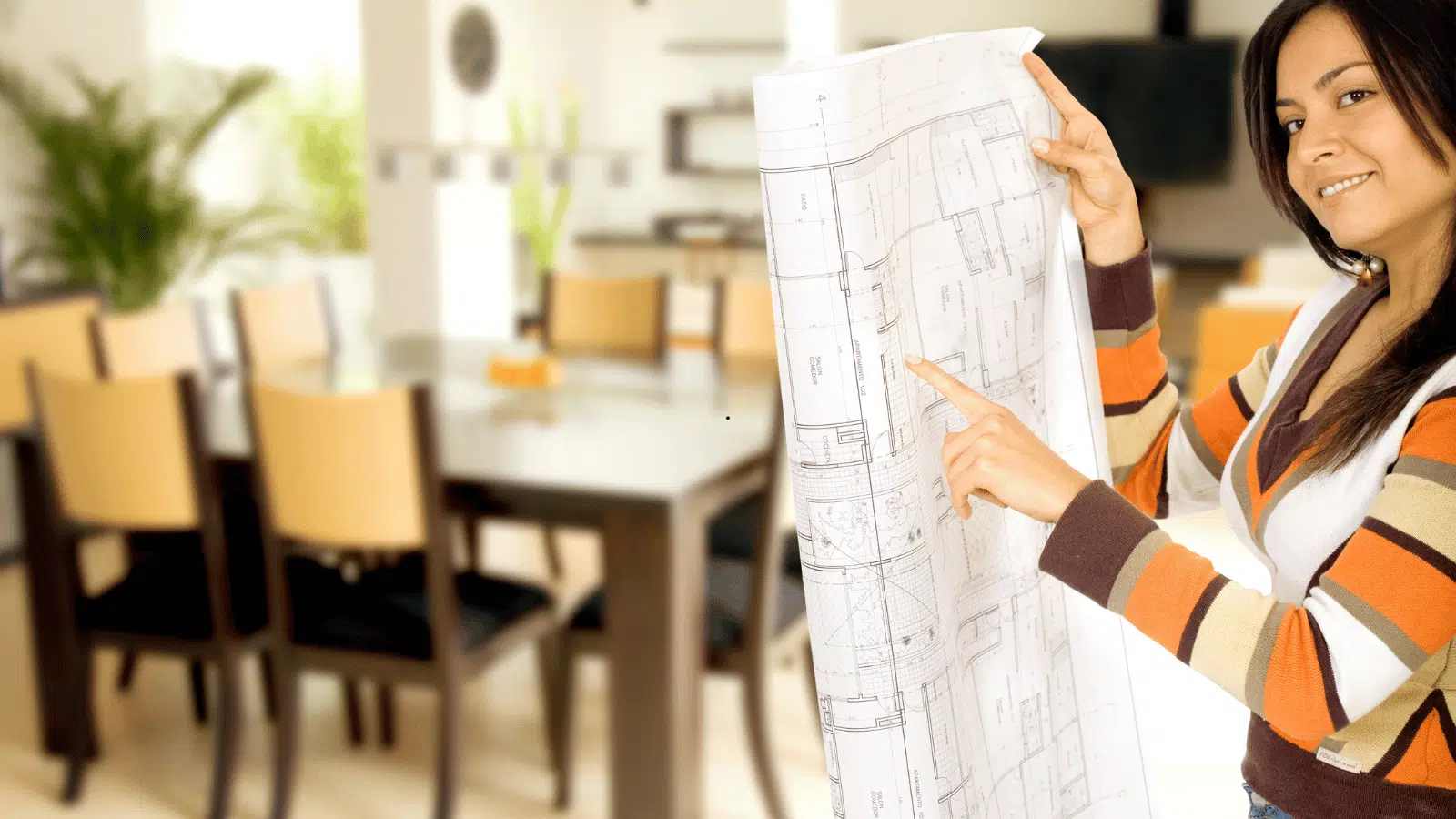
Redecorating your home can bring new energy and freshness to your living space. But when budgets are tight, creativity becomes your best tool. There are many innovative and cost-effective ways to redecorate your home on a budget, with resources like multi-niche platforms offering vast ideas and inspiration to kickstart your project.
Creative Ways to Redecorate Your Home on a Budget


